Networking certifications reward people who understand how networks behave, not people who memorise answers. This guide describes a study approach that works for most vendor exams, including the Cisco CCNA.
1. Start from the official exam topics
Every vendor publishes a list of topics for each exam. Print it and tick each topic off as you learn it. Exam details, fees and registration change from time to time, so always check the vendor’s own website for the current information.
2. Learn the foundations first
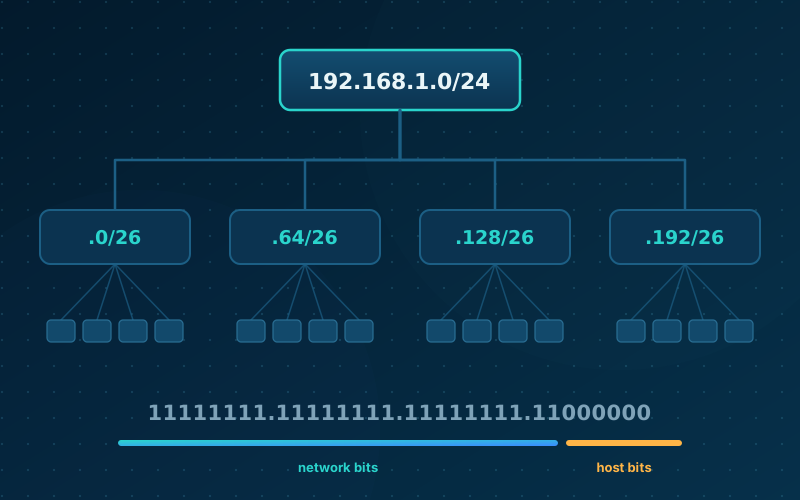
Before touching configuration, make sure you can explain IP addressing, subnetting, the OSI and TCP/IP layers, VLANs and how a switch and a router differ. Our articles on subnetting and the network models cover the basics.
3. Practise on a lab
Reading is not enough. Use a simulator or real equipment to configure what you read about: VLANs, trunks, static and dynamic routing, access lists and basic wireless. Break things on purpose and fix them.
4. Study little and often
Thirty to sixty focused minutes a day beat one long session each weekend. Review old topics regularly, because networking builds on itself.
5. Check your understanding
Explain a topic aloud as if teaching a colleague. If you cannot, go back to it. Practice questions are useful for finding gaps, but they should not be your main source of learning.
6. Plan the exam
Book the exam only when you can complete labs without notes. On exam day, read each question carefully and manage your time.
ARNSEC offers remote sessions for Cisco CCNA, CCNP Enterprise and SD-WAN topics. See the Training page, and note that no training can guarantee an exam result.
References
- CCNA certification (Cisco)
- CCNP Enterprise certification (Cisco)
- Cisco certifications overview (Cisco)
General information, checked against the sources above (vendor documents, standards bodies and official guidance). Not professional advice. ARNSEC is independent; product names belong to their owners.
Last updated: . Articles are checked against trusted sources (vendor documentation, standards bodies and government guidance). General information only, not professional advice.